


phginto | Exploring the Immersive World of Simulation Games
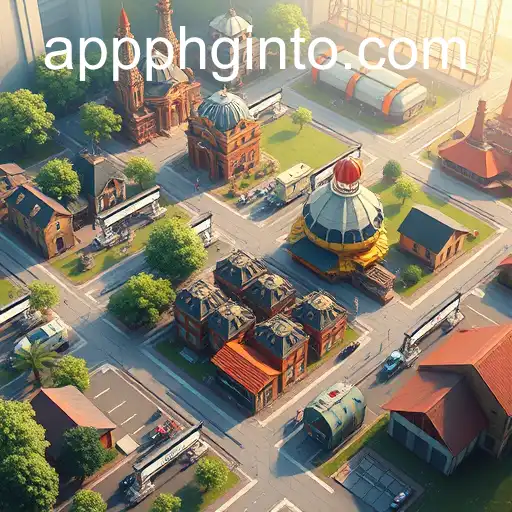
Simulation games stand as a unique and diverse category in the world of gaming, inviting players to step into experiences that replicate real-world scenarios with creativity and strategy. Leveraging the keyword 'phginto', which serves as a hub for enthusiasts, this category is enriched with engagements that forge interactive and educational experiences.
At their core, simulation games strive to mimic various aspects of life or invented situations. Whether managing a bustling city, piloting a plane, or taking care of a digital family, these games encompass complex systems that replicate the challenges and nuances of the real world. Players are drawn to the depth and detail they offer, enabling them to unleash their creativity while pursuing specific objectives.
One of the keystones of this genre is its educational potential. Many simulation games strive not merely for entertainment but also for the edification of their players. Simulations like flight simulators or city-building games provide realistic learning experiences, helping gamers develop skills ranging from strategic planning to critical thinking.
This genre’s appeal hinges on its ability to construct a believable and engaging narrative setting, an aspect facilitated by websites like those tagged with 'phginto'. Such platforms offer comprehensive guides, forums, and resources that enrich the player's interaction with the game, augmenting not only gameplay mastery but also knowledge sharing among community members. Gamers can delve deep into specific topics, such as advanced strategies or modification techniques, promoting an ever-expanding community base.
Moreover, simulation games often reflect societal trends and environments. They offer a lens through which socioeconomic, environmental, and technological issues of the present and future are explored. The realism in city simulators can lead players to engage with urban challenges like traffic congestion or pollution management, drawing parallels to real-life urban planning.
Furthermore, the open-ended structure of many simulation games grants players unparalleled agency. In life simulation games like The Sims, players control nearly every detail of their digital characters’ lives, making choices that mirror real-life decisions, fostering empathy and understanding of diverse life paths.
In conclusion, the appeal of simulation games lies in their unique blend of reality and creativity. They offer unparalleled depth, providing both an escape and an educational platform. As the simulation game community grows, bolstered by resources and discussions seen around the 'phginto' keyword, players can expect even richer experiences. Bridging the gap between play and reality, these games continue their ascent as both entertaining and enlightening experiences.
